
Every fall, parents across Vancouver do the same thing. They buy cleats, shin guards, and a mouthguard off the shelf at the sporting goods store. They toss it in the gym bag, and everyone feels prepared.
But if that sports mouthguard doesn’t fit right, is it really protecting anything? A custom option from Hazel Dell Dental Care can help better ensure your athlete’s smile is safe.
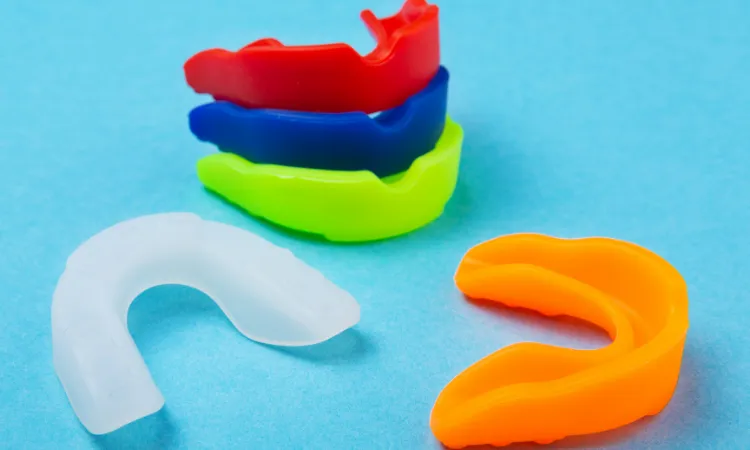
What a Mouthguard Protects
Most parents think of a mouthguard as tooth protection. And it is. A good mouthguard cushions the teeth from impact, keeps them from chipping or breaking, and helps prevent a tooth from getting knocked out entirely.
But that’s only part of the job.
A properly fitted mouthguard also protects the jaw. When an athlete takes a hit to the face, the force travels through the jaw and can cause fractures or damage to the temporomandibular joint, the TMJ. A well-fitting mouthguard helps absorb and distribute that force.
It can even help protect against concussions. Research suggests that well-fitted mouthguards can help reduce the severity of impacts that lead to concussions. A loose, bulky guard doesn’t do that nearly as well because it doesn’t stay where it needs to be.
Why the Boil-and-Bite Guard Falls Short
The drugstore option, the boil-and-bite guard, is better than nothing. If the alternative is no protection at all, use it.
With most boil-and-bite guards, you heat it, your child bites into it, and it takes an impression of their teeth. Sounds good, right? The problem is that the material is thick and soft. It doesn’t stay molded to the teeth. It shifts. Kids chew on it, fidget with it, and eventually it stops fitting the way it did on day one.
And when a guard doesn’t fit snugly, it doesn’t do its job. It can even interfere with breathing and speech, which means your athlete takes it out during the game, the exact moment they need it.
What a Custom Mouthguard Does Differently
A custom mouthguard starts with an impression of your child’s teeth, taken right here in our office. We send that impression to a lab, and they build the guard specifically for that mouth.
That means:
- It stays in place: Your athlete can talk, breathe, and drink water without it moving around.
- It’s comfortable: Custom guards are thinner than the bulky drugstore versions because they don’t need extra material to compensate for a poor fit. Kids are far more likely to keep them in.
- It lasts longer: A custom guard holds its shape season after season. Most families get multiple years out of one, even with growing kids, because the fit is precise and the material holds up.
- It protects better: A precise fit distributes impact force properly, through the guard and away from the teeth and jaw.
Which Sports Actually Need One?
Football and hockey get all the attention, but the list is longer than most parents expect. Basketball, soccer, lacrosse, wrestling, baseball, softball, martial arts, gymnastics, and even skateboarding all carry real risk of dental injury.
Basketball is one of the leading causes of sports-related dental injuries. It’s not a contact sport in the traditional sense, but elbows, falls, and collisions happen constantly.
The Cost Comparison
A custom mouthguard costs more than the twelve-dollar drugstore version. No question.
But consider the alternative. A knocked-out tooth, a fractured jaw, or a chipped front tooth can cost hundreds or thousands of dollars to fix, not to mention the pain and the time. A custom mouthguard is one of the cheapest pieces of protective gear in the bag when you look at it that way.
Before the Season Starts
If your child plays a sport, any sport, call Hazel Dell Dental Care at (360) 233-8831 or request an appointment online. Dr. Jenson can take an impression, talk with you about the right guard for your athlete’s sport and age, and make sure they start the season protected.
It takes one short visit. And it’s the kind of preparation that pays off on the one play nobody sees coming.