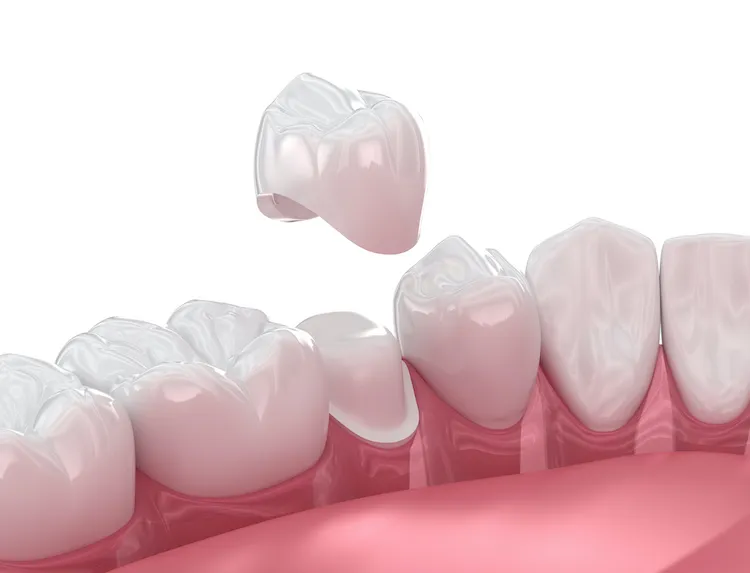
A dental crown is a common and effective way to restore the strength, appearance, and function of a damaged tooth. Proper aftercare plays a major role in how long it lasts and how comfortable it feels.
Understanding what to expect and how to care for your new crown in Vancouver can help you heal smoothly and protect your smile for years. At Hazel Dell Dental Care, your trusted dentist in Vancouver, WA, Dr. Erik Jenson is here to guide you through every step of the process.
The First Hours After Placement: What to Expect
Right after your crown is placed, your mouth may still feel numb from local anesthesia. Be careful when biting or chewing so you do not accidentally injure your cheek, tongue, or lips. Mild soreness around the tooth and gums is normal, especially if the area was worked on extensively. This discomfort usually fades within a day or two.
If your dentist placed a temporary crown, use extra caution because temporary cement is not as strong as permanent cement. Temporary crowns protect your tooth while your permanent crown is being made. During this period, you should:
- Avoid chewing on the side with the temporary crown
- Be extra careful when flossing, sliding the floss out rather than snapping it upward
- Avoid sticky or hard foods that could pull the temporary crown loose
The adhesive used for temporary crowns is not as strong as what’s used for permanent crowns. The temporaries are more vulnerable to displacement. If a temporary crown comes off, it is especially important to contact your general dentist in Vancouver, WA, promptly to protect the underlying prepared tooth.
Eating and Drinking with a Crown
Your eating habits in the first few days can make a big difference in how comfortable your crown feels. Softer foods are easier on the tooth while your mouth adjusts. Chewing on the opposite side can also help reduce pressure.
Very hot or cold foods may initially trigger sensitivity, which is normal and typically improves over time. Sticky or hard foods can put stress on the crown, especially a temporary one, and should be avoided to prevent loosening or damage.
Foods to avoid for the first 24-48 hours:
- Sticky candies, caramel, and chewing gum
- Hard nuts, ice, and hard candies
- Crusty bread and tough meats
- Chewy or tough foods that require significant biting force
As your comfort level increases, you can gradually resume eating harder foods. However, even with a permanent crown, it’s wise to be mindful of what you eat. Crowns are durable, but habits like chewing on ice, pencils, or fingernails can cause chipping or damage.
Keeping Your Mouth Clean: Oral Hygiene
Good oral hygiene is essential after getting a crown. Even though the crown itself can’t decay, the natural tooth underneath remains vulnerable to cavities and gum disease. Brushing gently around the crowned tooth keeps the gums healthy and prevents plaque buildup along the crown’s edges.
Flossing is just as important, but you should do it carefully. Instead of snapping the floss upward, slide the floss out gently from between the teeth. Flossing upward can dislodge a temporary crown or irritate the gum tissue. Using a fluoride toothpaste can support the natural tooth structure beneath the crown and prevent decay along the margins.
Daily care routine for your crowned tooth:
- Brush twice daily with a soft-bristled toothbrush and fluoride toothpaste
- Gently clean around the gum line where the crown meets the tooth
- Floss daily, being extra careful at the margins
- Consider using an antimicrobial mouthwash to help prevent decay at the crown margins
If you have a temporary crown, be extra gentle when cleaning around it. The temporary cement is not as strong, and aggressive brushing or flossing can dislodge it.
Managing Sensitivity and Discomfort
It’s common to notice some sensitivity to temperature or pressure after crown placement. This happens because the tooth structure has been altered, and the nerve may be temporarily irritated. This settles as the tooth and surrounding tissues heal.
Over-the-counter pain relievers can help manage mild discomfort if needed. If the crown feels too high when you bite down, or if sensitivity doesn’t gradually improve, contact your Vancouver dental care practice. A simple adjustment can solve the problem and prevent further irritation.
What to watch for:
- Normal sensitivity: Mild sensitivity to hot or cold temperatures for a few days after placement
- Gradual improvement: Sensitivity should gradually decrease over the first week or two
- When to call: Persistent pain, swelling, or a feeling that the crown is loose are reasons to seek professional advice
If you experience ongoing biting problems, don’t ignore them. A crown that’s too high can cause jaw discomfort and even more severe dental issues, such as temporomandibular joint (TMJ) disorders or fractured teeth.
Protecting Your Crown Long Term
A dental crown is designed to be durable, but it is not indestructible. Habits such as grinding your teeth or chewing on hard objects like ice can shorten the lifespan of your teeth. If you grind your teeth at night, your dentist may recommend a night guard to protect both your crown and your natural teeth.
Long-term care tips:
- Avoid using your teeth as tools to open packages or bottles
- Don’t chew on hard objects like ice, pens, or fingernails
- If you grind your teeth, ask Dr. Jenson about a custom night guard
- Continue seeing your dentist regularly for checkups and professional cleanings
Regular dental checkups allow your dentist to monitor the crown, make sure it still fits correctly, and catch any potential issues early. These visits are essential for examining the gums, the crown margins, and the adjacent teeth.
When to Contact Your Dentist
Certain signs should not be ignored after receiving a crown. If the crown comes loose or falls off, or if you have ongoing discomfort or swelling, don’t wait to call your dentist. Early intervention can prevent additional issues and possibly avoid the need to replace the crown.
Contact your Vancouver dentist if you experience:
- Persistent pain that doesn’t improve after a few days
- Swelling, bleeding, or redness around the crowned tooth
- A feeling that the crown is loose or shifting
- Sensitivity that doesn’t improve or gets worse
- An uneven bite that causes discomfort
At Hazel Dell Dental Care, we are dedicated to helping you preserve your natural tooth structure. Dr. Erik Jenson is a Dawson-trained dentist in Vancouver, WA. This means he considers the complete picture of your oral health, including how your teeth, gums, and jaw joints work together.
If you have extensive decay or disease, a simple filling may not be enough to protect your bite. A dental crown may be needed to prevent further damage and avoid the need for extraction. With the right care and regular maintenance, your crown can last for many years.
Schedule Your Appointment Today
Ready to learn more about dental crowns or need to schedule a follow-up appointment? Contact our office today at (360) 233-8831 or request an appointment online. We proudly serve patients from Vancouver, Hazel Dell, Felida, Salmon Creek, Battle Ground, Ridgefield, and all of Clark County, Washington.