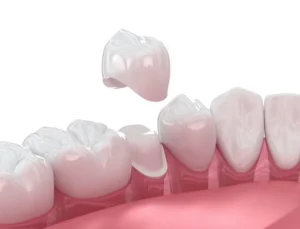
A dental crown is a common and often effective way to restore the strength, appearance, and function of a damaged tooth. Whether your crown was placed to protect a weak tooth, restore a broken one, or complete a root canal treatment, proper aftercare plays a major role in how long it lasts and how comfortable it feels. Understanding what to expect and how to care for your crown can help you heal smoothly and protect your smile for years to come.
The First Hours After Placement
Right after your crown is placed, your mouth may still feel numb from local anesthesia. Be careful when biting or chewing so you do not accidentally injure your cheek, tongue, or lips. Mild soreness around the tooth and gums is normal, especially if the area was worked on extensively. This discomfort usually fades within a day or two. If your dentist placed a temporary crown, extra caution is needed because temporary cement is not as strong as permanent cement.
Eating and Drinking with a Crown
Your eating habits in the first few days can make a big difference in how comfortable your crown feels. Softer foods are easier on the tooth while your mouth adjusts. Chewing on the opposite side can also help reduce pressure. Very hot or cold foods may trigger sensitivity at first, which is normal and typically improves with time. Sticky or hard foods can put stress on the crown, especially a temporary one, and should be avoided to prevent loosening or damage.
Keeping Your Mouth Clean
Good oral hygiene is essential after getting a crown. Brushing gently around the crowned tooth helps keep the gums healthy and prevents plaque buildup at the edges of the crown. Flossing is just as important, but it should be done carefully. Sliding the floss out rather than snapping it upward can help protect the crown, particularly if it is temporary. Using a fluoride toothpaste can support the natural tooth structure beneath the crown and help prevent decay along the margins.
Managing Sensitivity and Discomfort
It is common to notice some sensitivity to temperature or pressure after crown placement. This usually settles as the tooth and surrounding tissues heal. Over-the-counter pain relievers can help manage mild discomfort if needed. If the crown feels too high when you bite down, or if sensitivity does not gradually improve, it is important to contact your dentist. A simple adjustment can often solve the problem and prevent further irritation.
Protecting Your Crown Long Term
A dental crown is designed to be durable, but it is not indestructible. Habits such as grinding your teeth or chewing on hard objects like ice can shorten its lifespan. If you grind your teeth at night, your dentist may recommend a night guard to protect both the crown and your natural teeth. Regular dental checkups allow your dentist to monitor the crown, ensure the fit remains correct, and catch any potential issues early.
When to Contact Your Dentist
Certain signs should not be ignored after receiving a crown. Persistent pain, swelling, or a feeling that the crown is loose are reasons to seek professional advice. If a temporary crown comes off, it is especially important to contact your dentist promptly to protect the prepared tooth underneath. Even with a permanent crown, changes in how it feels or functions are worth having checked.
Dental Crown Care in Vancouver, WA
At Hazel Dell Dental Care, we are dedicated to helping you preserve your natural tooth structure. If you have extensive decay or disease, a simple filling may not be enough to protect your bite. A dental crown may be needed to prevent further damage and avoid the need for extraction. Contact our office today to schedule a consultation and learn more about your restorative dentistry treatment options.